Welcome to the Wonderful World of Bird ID!
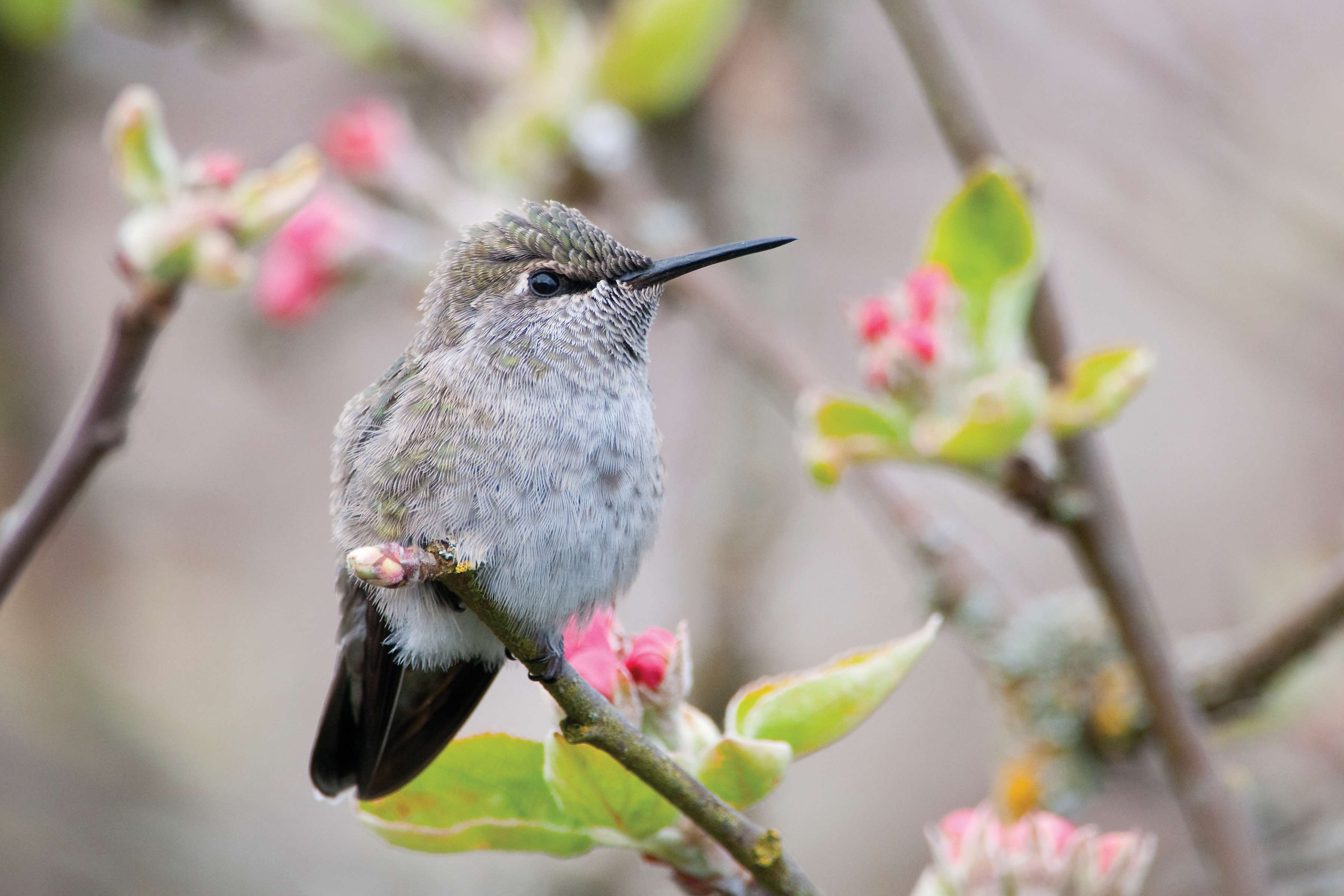
Embarking on your birdwatching journey is incredibly rewarding. The first big step is learning to identify the birds that visit your backyard. Don't worry, it’s easier than you think! With a little practice and a few key tips, you’ll be spotting and naming feathered visitors in no time.
Focus on the Familiar First
Start by learning the most common birds in your area. Think about the regulars:
- Sparrows: Small, busy birds often seen hopping on the ground. Look for variations in their streaky patterns and head markings.
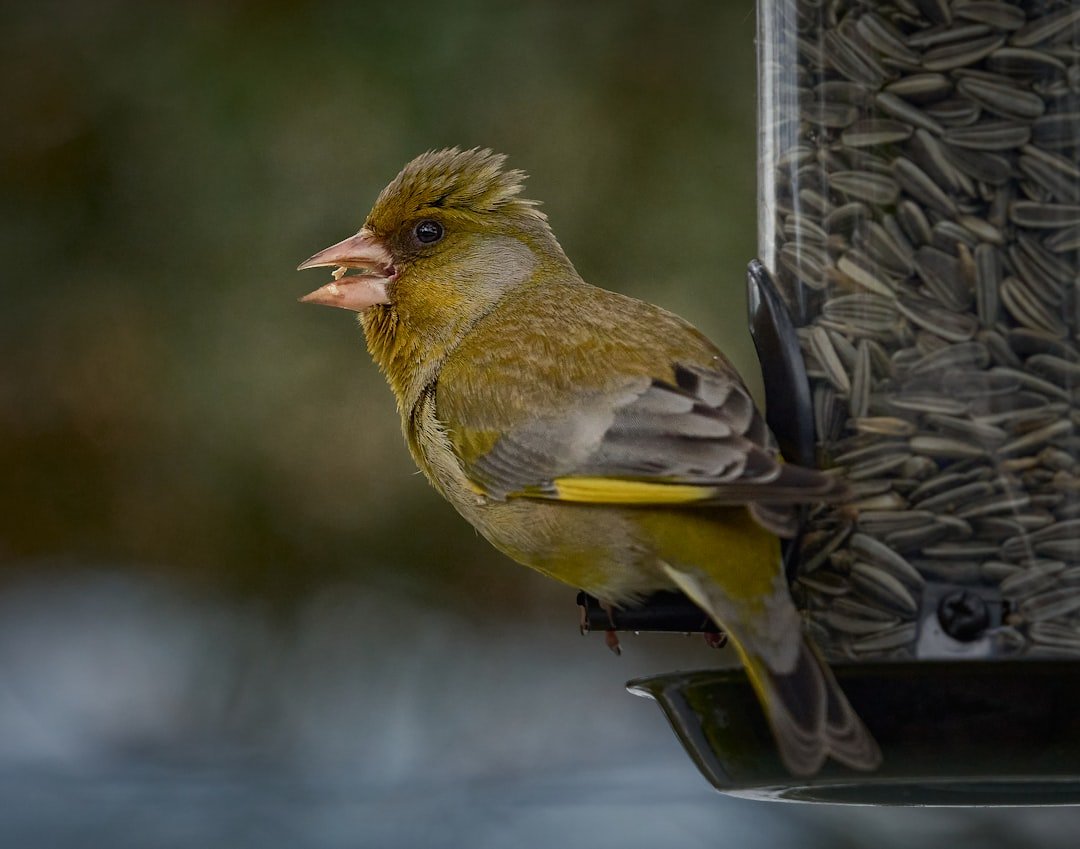
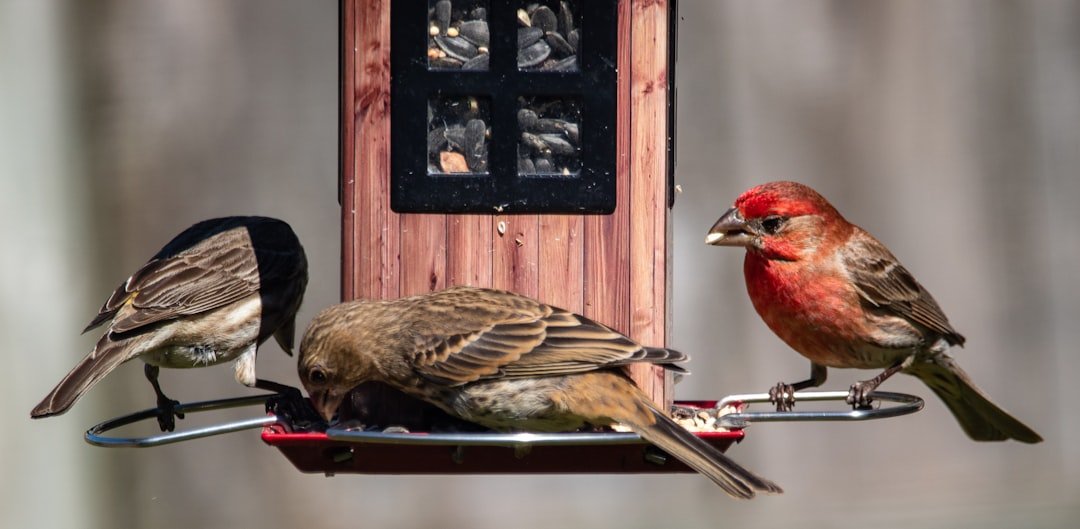
- Finches: Brightly colored birds like the American Goldfinch, often found at feeders. Notice their seed-cracking beaks.
- Cardinals: The striking red male and its more subtle brown counterpart are hard to miss. Listen for their cheerful whistles.
- Jays: Intelligent and often noisy, like the Blue Jay with its distinctive crest and bold markings.
Getting familiar with these species will build your confidence. Soon, you’ll start noticing the subtle differences that help distinguish less common visitors.
Look for Key Field Marks
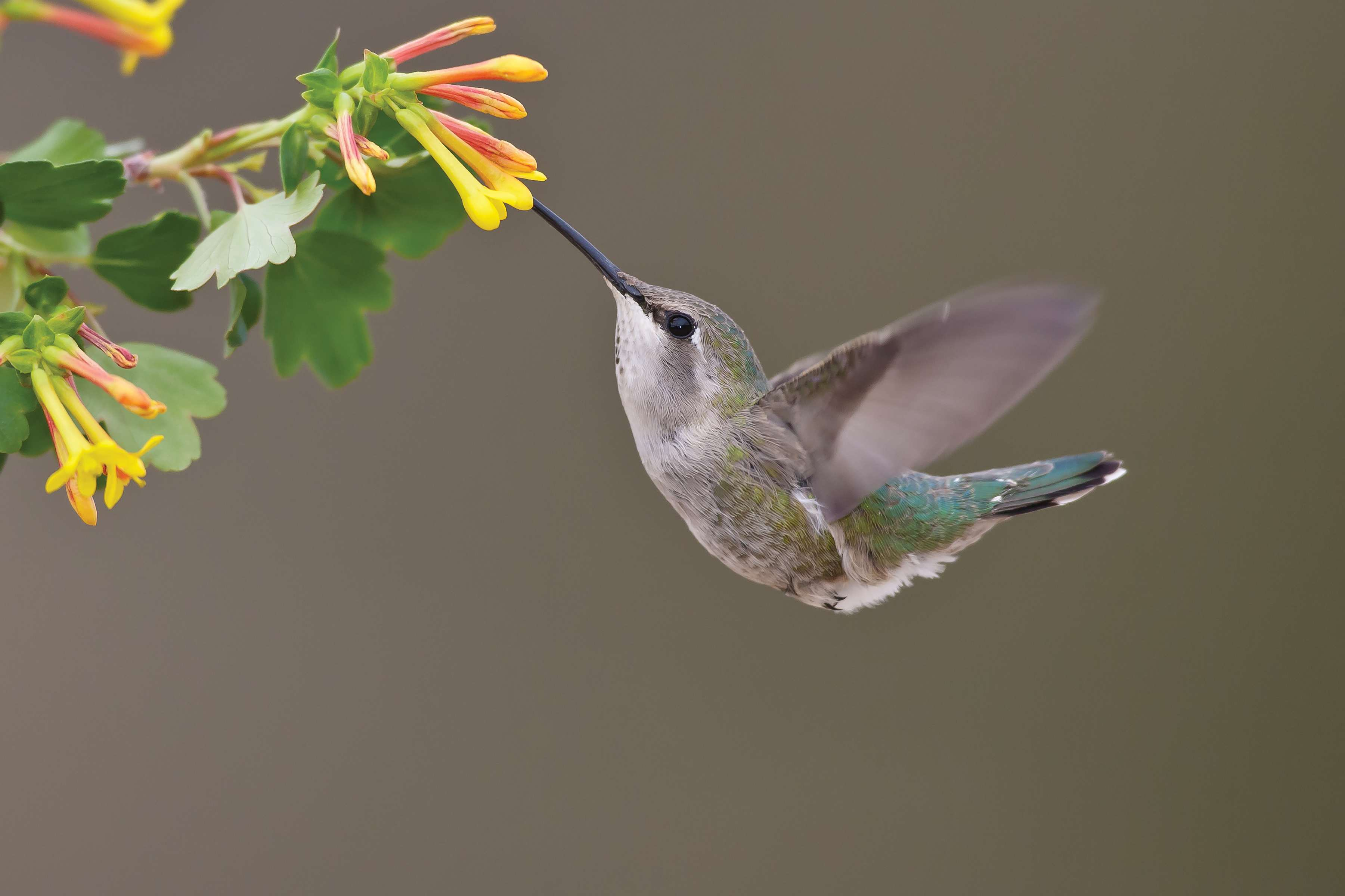
When observing a bird, pay attention to specific features, or "field marks." These are like a bird’s unique ID:
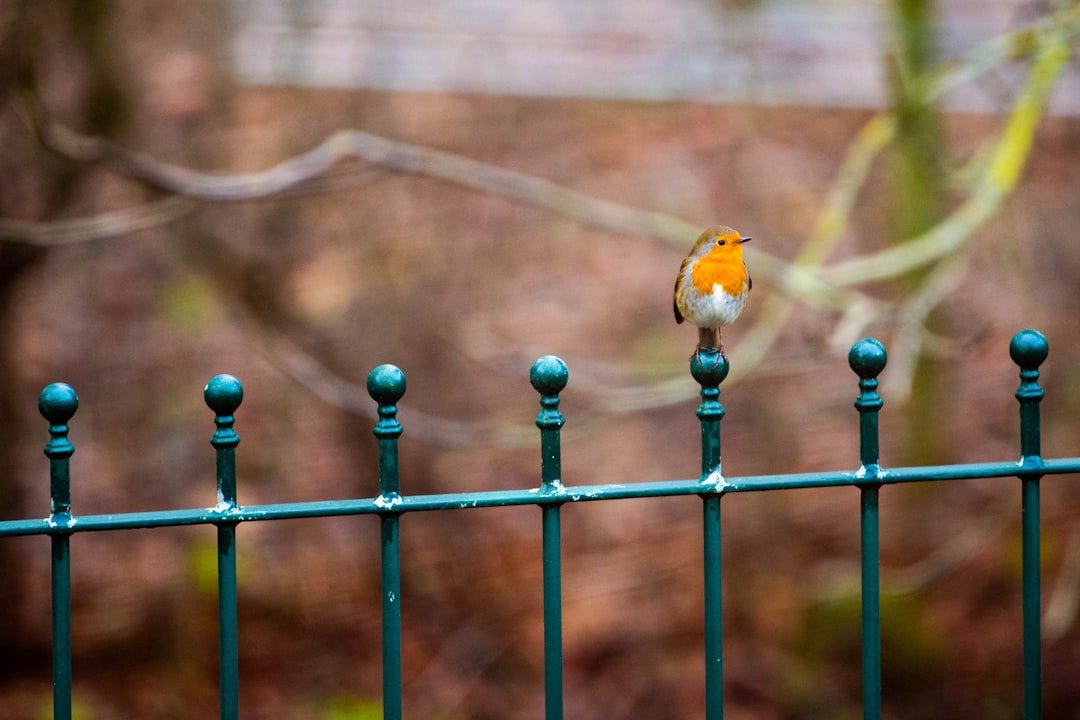
- Size and Shape: Is it small like a chickadee or larger like a robin? Is it plump or slender?
- Color Patterns: Look for distinctive patches of color, wing bars, eye rings, or crests.
- Beak Shape: A short, thick beak suggests seeds, while a thin, pointed one might be for insects.
- Behavior: How does it move? Does it hop, walk, or climb? Where does it forage – on the ground, in trees, or at a feeder?
Using resources like listening to the Songs and Calls
Bird songs are more than just pretty sounds; they are a vital part of identification. Many birds have unique calls that can help you identify them, even when you can’t see them clearly. Spend time listening to the different chirps, whistles, and trills. Apps and online resources can help you match sounds to species. Remember, every bird you identify, big or small, is a step forward in your birding adventure!